

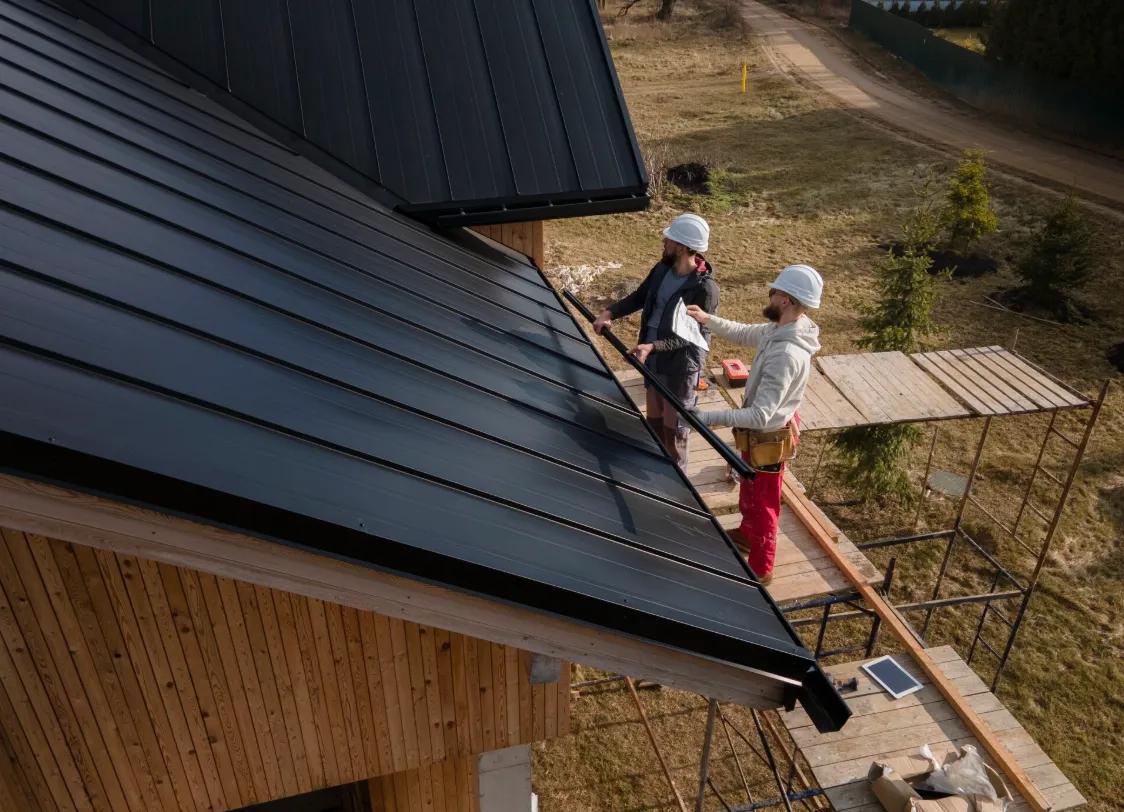
building roof
The roof of a commercial building does more than keep the weather out. It controls how much heat enters the building in summer, how much escapes in winter, and how hard the HVAC system works to compensate for both.
For building owners and facility managers, roofing is an energy systems decision as much as a construction one. The materials, insulation levels, and surface coatings on a commercial roof directly affect utility costs every month the building operates.
Working with a qualified commercial roofer denver during a re-roofing or repair project allows building owners to address energy performance alongside structural needs. Many of the decisions that affect long-term energy costs cost little or nothing extra when made at the time of installation. Made after the fact, they require a second project.
Here is what building owners and facility managers need to understand about how roofing systems affect energy performance.
How Much of a Building's Energy Loss Comes Through the Roof?
The roof is the primary surface through which heat enters and exits a building.
On a flat or low-slope commercial roof, which describes the majority of commercial buildings, the surface faces direct solar exposure for most of the day. A dark membrane surface can reach 150 to 190 degrees Fahrenheit on a summer afternoon. That heat transfers into the building through conduction, raising interior temperatures and increasing cooling load.
According to the U.S. Department of Energy's Office of Energy Efficiency and Renewable Energy, roofs and ceilings account for 20 to 30 percent of heating and cooling losses in commercial buildings. Addressing that surface is one of the highest-return actions available in commercial building energy management.
A building spending $8,000 per month on HVAC could reduce that cost by $1,600 to $2,400 monthly through roofing upgrades, without changing mechanical systems.
What Roofing Properties Affect Energy Performance?
Solar Reflectance
Solar reflectance measures the percentage of solar energy a surface reflects rather than absorbs. A standard dark roofing membrane has a reflectance value around 0.05, meaning it absorbs 95 percent of incoming solar energy. A white reflective membrane or coating has a reflectance value of 0.65 to 0.85.
That difference translates directly to surface temperature. A roof with high reflectance stays 50 to 80 degrees cooler on a summer day than a low-reflectance surface of the same construction. The cooler surface transfers less heat into the building, reducing cooling demand.
Thermal Emittance
Thermal emittance is the roof's ability to release absorbed heat. A surface with high emittance sheds heat through radiation. A surface with low emittance retains it.
The combination of solar reflectance and thermal emittance is measured through the Solar Reflectance Index (SRI). Higher SRI values indicate better overall energy performance. ENERGY STAR-rated roofing products meet minimum SRI thresholds verified through third-party testing.
Insulation Value
The R-value of a roof assembly measures resistance to heat transfer. Higher R-values reduce heat flow in both directions, keeping heat out in summer and retaining it in winter.
Commercial roofing insulation is typically polyisocyanurate board, installed in layers beneath the membrane. Building codes specify minimum R-values for commercial roofs by climate zone. Colorado falls in climate zones 5 and 6, which require higher insulation levels than southern markets.
Most existing commercial buildings were built to code standards that have since been updated. A building constructed in the 1990s to a code requirement of R-20 may now fall below the current standard of R-30 or higher. Re-roofing provides the opportunity to upgrade insulation to current levels.
What Roofing Systems Perform Best for Energy Efficiency?
TPO and PVC Membranes
Thermoplastic polyolefin (TPO) and polyvinyl chloride (PVC) single-ply membranes are the current standard for energy-efficient commercial roofing. Both are available in white and light-colored formulations with high solar reflectance ratings.
TPO has become the dominant choice across the commercial market due to its balance of cost, reflectance performance, and weld-seam durability. PVC performs similarly but at a higher material cost, with somewhat better chemical resistance for buildings where rooftop exhaust carries oils or grease.
Both materials meet ENERGY STAR reflectance requirements in white formulations and are compatible with rooftop solar panel installation.
Modified Bitumen With Reflective Coatings
Modified bitumen roofing, a multi-ply asphalt system, is common on older commercial buildings. As installed, it typically has low solar reflectance. Applying a reflective elastomeric coating to an existing modified bitumen roof is a cost-effective way to improve energy performance without a full replacement.
A reflective coating on a sound modified bitumen surface costs $1.50 to $3.50 per square foot installed, compared to $8 to $15 per square foot for a full membrane replacement. The energy performance improvement from the coating is meaningful, though not equivalent to a new high-SRI membrane with upgraded insulation.
Metal Roofing
Standing seam metal roofing is a long-term option for commercial buildings with sloped roof configurations. Metal with reflective coatings achieves high SRI values and has a service life of 40 to 60 years with minimal maintenance.
The higher upfront cost is offset by the extended service life and reduced maintenance expense over time. For buildings where the owner has a long holding period, metal is a financially defensible choice.
Green Roofs
Vegetative roofing systems install growing media and plant material over a waterproof membrane. They reduce heat transfer through thermal mass and evapotranspiration, provide stormwater retention, and extend membrane life by protecting it from UV exposure and thermal cycling.
Green roofs are a specialized application relevant primarily to urban commercial buildings where stormwater fees, urban heat island impact, and sustainability certification are part of the building's performance objectives. They carry higher installation and maintenance costs than standard membrane systems.
What Is the Financial Case for Energy-Efficient Roofing?
The numbers vary by building size, climate, and existing roof condition. A general framework holds across most commercial scenarios.
Simple payback on reflective coating: Two to five years, depending on current energy costs and roof area.
Simple payback on TPO re-roof with upgraded insulation: Seven to twelve years on energy savings alone, before accounting for avoided maintenance on the existing failing system.
Annual utility savings from a cool roof on a 20,000 square foot building: $4,000 to $12,000, depending on climate and cooling system efficiency.
These estimates are conservative. Buildings in climates with long cooling seasons, high electricity rates, or older HVAC systems that run harder to compensate for poor roof performance see returns at the upper end of those ranges.
Energy-efficient roofing also affects other line items. Reduced roof surface temperature extends membrane life by reducing thermal cycling stress. Lower attic or plenum temperatures reduce wear on HVAC components that serve the top floor. Insurance carriers in some markets reduce premiums for roofs with current materials and certifications.
What Tax Incentives and Certifications Apply to Commercial Roofing?
Section 179D Deduction
The Section 179D Energy Efficient Commercial Buildings Deduction allows commercial building owners to deduct the cost of qualifying energy-efficient improvements, including roof systems that contribute to measured whole-building energy reduction. The deduction can reach up to $5.00 per square foot for projects meeting the highest efficiency thresholds.
ENERGY STAR Certification
ENERGY STAR certification for roofing products requires meeting minimum solar reflectance and thermal emittance thresholds verified by the Cool Roof Rating Council. Specifying ENERGY STAR-rated membranes or coatings supports green building certifications, LEED point accumulation, and utility rebate eligibility in many markets.
When Should a Building Owner Prioritize Roofing for Energy Performance?
During Planned Re-Roofing
A scheduled roof replacement is the lowest-cost window to address energy performance. Insulation upgrades, membrane selection, and reflective surface decisions carry no incremental mobilization cost when made during a project already underway.
Upgrading from a standard dark membrane to a TPO system with additional insulation during a planned re-roof typically adds 10 to 20 percent to the project cost. That incremental investment generates energy savings from day one of the new roof's service life.
When Energy Costs Are Rising
Buildings experiencing year-over-year increases in utility costs without a corresponding change in occupancy or operations should audit the building envelope, including the roof, before investing in mechanical system upgrades.
A new HVAC system installed in a building with poor roof insulation and a low-reflectance surface addresses the symptom rather than the cause. The mechanical system works harder than necessary because the building envelope is not performing. Addressing the envelope first allows right-sizing of any mechanical upgrade.
When Pursuing Green Building Certification
LEED, BOMA 360, and similar certifications require documentation of building performance across multiple categories, including energy use intensity. Roofing contributes directly to the energy performance metrics that certification requires.
Coordinating a roofing project with a broader sustainability initiative ensures the work contributes to certification goals and that any available incentives are captured.
What Questions Should Building Owners Ask Before a Commercial Roofing Project?
What is the current insulation R-value, and how does it compare to the current code? An answer below the current code requirements is a clear upgrade opportunity.
What solar reflectance index does the proposed membrane achieve? Ask for the CRRC-rated SRI value of the specific product being specified. Do not accept general descriptions.
Does the proposed system qualify for any utility rebates in our market? This requires checking with the utility, but a contractor familiar with the local market should know which programs are active.
What is the projected energy impact of the upgrade? A contractor who can provide a rough energy savings estimate based on your building's square footage, climate zone, and current membrane type is providing useful decision support.
Is the system compatible with future rooftop solar? If solar is part of a five-to-ten-year plan, the roofing system should have the structural and membrane characteristics to support panel installation without re-roofing.
The Bottom Line
Roofing affects energy costs continuously, not just during a weather event or a system failure.
The membrane, the insulation, and the surface treatment of a commercial roof determine how much heat the building absorbs and retains every day of the year. Buildings with roofs that underperform on these metrics pay the difference in utility costs every month.
A re-roofing project is a direct opportunity to address that performance gap. The energy savings, available incentives, and extended service life of a system selected for performance rather than minimum specification make the financial case across most commercial building types.
The decision framework is the same as any capital project: estimate the total cost, calculate the annual return, and compare the payback period against the alternatives. For most commercial buildings with aging roofs, that comparison favors energy-efficient systems.