

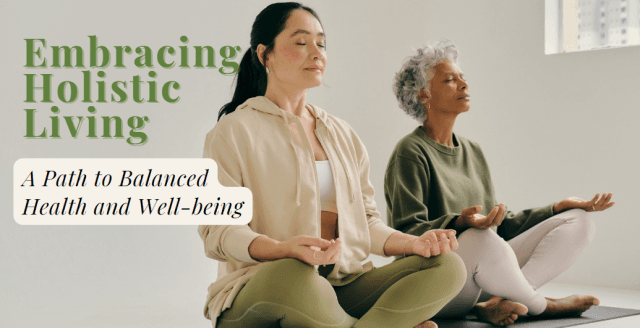
Introduction
In an increasingly fast-paced and complex world, many people are seeking ways to simplify and enrich their lives. One of the most compelling approaches gaining popularity is holistic living.
This philosophy encompasses a wide range of practices aimed at achieving balance and harmony in all aspects of life—physical, mental, emotional, and spiritual. Holistic living is not just a health trend; it is a comprehensive lifestyle that nurtures the body, mind, and spirit. This article will explore the principles of holistic living, the benefits it offers, and practical steps to incorporate it into daily life.
Understanding Holistic Living
Holistic living is based on the concept that all parts of a person's life are interconnected. It emphasizes the need to look at the whole person, considering their physical health, emotional well-being, mental clarity, and spiritual growth. This approach recognizes that these elements are interdependent, and imbalances in one area can affect the others. By focusing on harmony and balance, holistic living aims to promote overall well-being and a more fulfilling life.
Principles of Holistic Living
- Integration of Body, Mind, and Spirit: Holistic living involves nurturing all aspects of one's being. Physical health is supported through nutrition, exercise, and sleep, while mental and emotional well-being is enhanced through mindfulness, stress management, and positive relationships. Spiritual growth can be fostered through practices like meditation, prayer, and connecting with nature.
- Natural and Preventive Approaches: Instead of solely relying on conventional medicine, holistic living encourages natural and preventive measures to maintain health. This includes using natural remedies, embracing organic foods, and incorporating traditional healing practices like acupuncture and herbal medicine.
- Sustainable and Eco-Friendly Practices: Holistic living promotes a deep respect for the environment. This means adopting sustainable practices such as recycling, reducing waste, using eco-friendly products, and supporting local and organic agriculture.
- Mindfulness and Self-Awareness: Being present and aware of one's thoughts, emotions, and actions is crucial. Mindfulness practices, such as meditation and yoga, help cultivate self-awareness and reduce stress.
Benefits of Holistic Living
The benefits of holistic living are vast and can significantly enhance the quality of life. Here are some of the key advantages:
- Improved Physical Health: By focusing on nutrition, exercise, and natural remedies, holistic living can lead to better overall health, increased energy levels, and a stronger immune system.
- Enhanced Mental and Emotional Well-being: Practices such as mindfulness, meditation, and positive thinking help reduce stress, anxiety, and depression, leading to improved mental clarity and emotional stability.
- Greater Spiritual Fulfillment: Connecting with one's spiritual side through practices like meditation, prayer, or spending time in nature can bring a sense of peace, purpose, and inner harmony.
- Sustainable Living and Environmental Impact: Adopting eco-friendly practices reduces one's environmental footprint, promoting a healthier planet for future generations.
Practical Steps to Incorporate Holistic Living
Nutrition and Diet
One of the fundamental aspects of holistic living is maintaining a balanced and nutritious diet. This involves:
- Choosing Whole Foods: Opt for fresh, unprocessed foods such as fruits, vegetables, whole grains, nuts, and seeds. These foods are rich in essential nutrients and free from harmful additives.
- Organic and Local Produce: Support local farmers and reduce exposure to pesticides by choosing organic produce.
- Mindful Eating: Pay attention to what and how you eat. Chew slowly, savor each bite, and listen to your body's hunger and fullness cues.
Physical Activity
Regular physical activity is vital for maintaining physical health and mental well-being. Incorporate a variety of exercises to keep your routine interesting:
- Yoga and Tai Chi: These practices combine physical movement with mindfulness, promoting flexibility, strength, and inner peace.
- Cardiovascular Exercises: Activities like walking, running, swimming, and cycling improve heart health and boost mood.
- Strength Training: Build muscle and bone density with resistance exercises, such as weight lifting or body-weight workouts.
Mental and Emotional Health
Caring for your mental and emotional health is a cornerstone of holistic living. Consider these practices:
- Meditation and Mindfulness: Set aside time each day for meditation or mindfulness exercises to reduce stress and increase self-awareness.
- Journaling: Writing down your thoughts and feelings can be a powerful tool for processing emotions and gaining clarity.
- Positive Relationships: Surround yourself with supportive, positive people who uplift and encourage you.
Spiritual Practices
Spirituality is a personal journey, and there are many ways to nurture it:
- Meditation and Prayer: These practices can help you connect with your inner self and a higher power, fostering a sense of peace and purpose.
- Nature Connection: Spend time outdoors, appreciating the beauty and tranquility of nature. Activities like hiking, gardening, or simply sitting in a park can be deeply restorative.
Sustainable Living
Adopting sustainable practices is an integral part of holistic living:
- Eco-Friendly Products: Choose products that are biodegradable, recyclable, and made from sustainable materials.
- Reduce, Reuse, Recycle: Minimize waste by following the three Rs. Reduce your consumption, reuse items whenever possible, and recycle what you can.
- Support Local and Organic: Buy locally sourced and organic products to reduce your carbon footprint and support sustainable agriculture.
The Role of CO2 Extraction in Holistic Living
While holistic living primarily focuses on natural and traditional approaches, modern technology can also play a role. One such advancement is the use of co2 extractor to obtain essential oils and other plant-based extracts. This process uses carbon dioxide at high pressure to extract compounds from plants, resulting in pure and potent products without the use of harmful solvents.
CO2 extraction is particularly valued in holistic living for its ability to produce high-quality essential oils. These oils can be used in various holistic practices, such as aromatherapy, massage, and natural skincare. The purity and potency of CO2-extracted oils ensure that individuals receive the maximum therapeutic benefits, aligning with the holistic emphasis on natural and effective remedies.
Creating a Holistic Living Space
Your living environment plays a crucial role in your overall well-being. Creating a space that reflects holistic principles can enhance your daily life:
- Natural Lighting: Maximize natural light in your home to boost mood and energy levels.
- Indoor Plants: Introduce plants into your living space to improve air quality and add a touch of nature.
- Non-Toxic Products: Use non-toxic cleaning products, paints, and furniture to reduce exposure to harmful chemicals.
- Clutter-Free Environment: Keep your space organized and clutter-free to promote mental clarity and reduce stress.
Holistic Living in Community
Holistic living is not just an individual journey; it can also be a communal experience. Engaging with like-minded individuals and communities can provide support and inspiration:
- Join Holistic Groups: Participate in local or online groups focused on holistic living, wellness, and sustainability.
- Community Gardens: Get involved in community gardening projects to grow your own food and connect with others.
- Workshops and Classes: Attend workshops, classes, or retreats that focus on holistic practices like yoga, meditation, and natural health.
Conclusion
Holistic living is a comprehensive and rewarding approach to life that promotes balance and harmony across all areas of existence. By integrating practices that nurture the body, mind, and spirit, individuals can achieve improved health, well-being, and a greater sense of fulfillment. From nutrition and physical activity to mental and emotional health, spiritual practices, and sustainable living, there are countless ways to incorporate holistic principles into daily life. As you embark on your holistic living journey, remember that small, consistent changes can lead to profound and lasting benefits, helping you live a more balanced, healthy, and joyful life.