

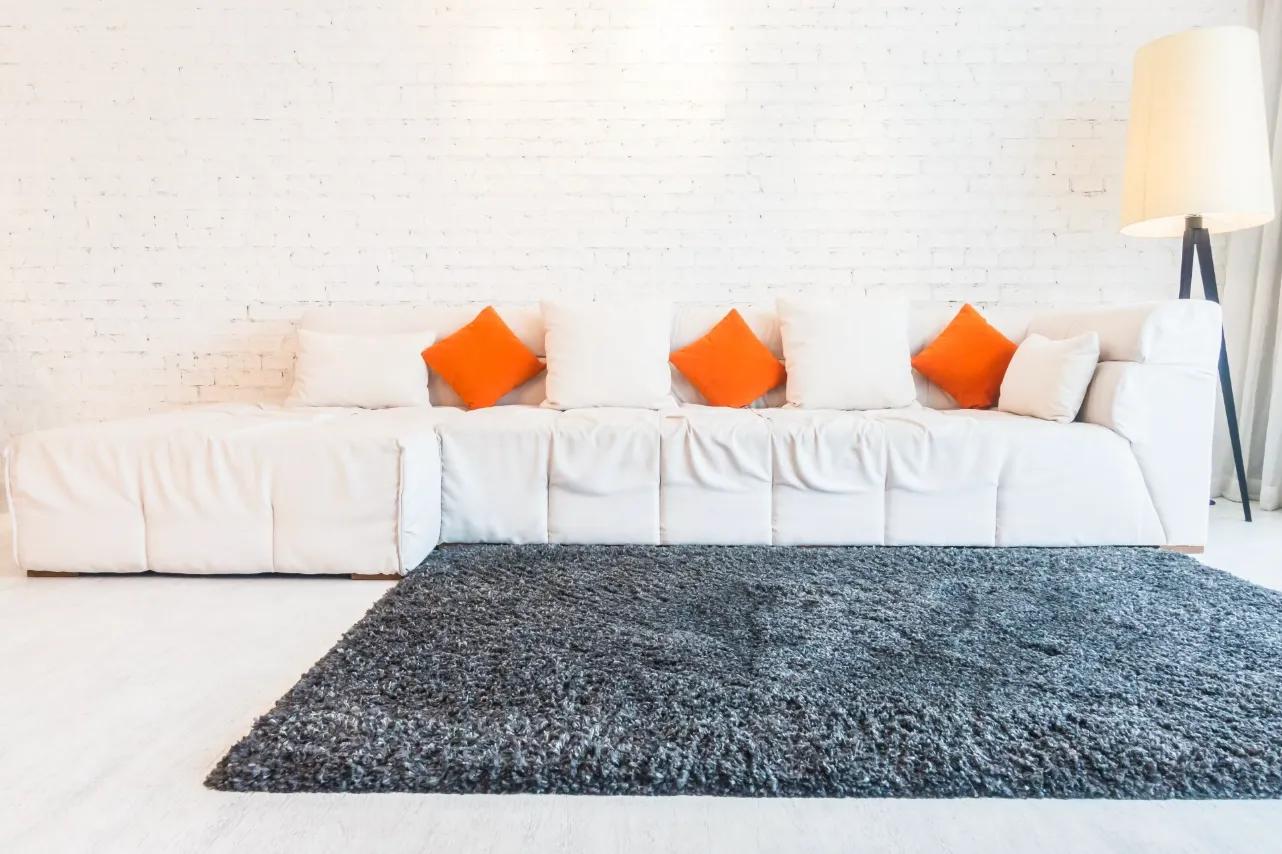
flooring condition
Imagine walking into a room with stained carpet, warped floorboards, or cracked tile. Notice how you feel.
Then walk into the same room with clean, smooth, well-maintained flooring. The furniture has not changed. The lighting is identical. But the space feels entirely different.
That shift is not imaginary. It is environmental psychology in action, and it happens whether or not you are paying conscious attention to the floor beneath your feet. Flooring is one of the most underestimated elements in how a home makes you feel every single day.
For homeowners dealing with worn or damaged carpet, denver carpet repair is often a faster and more affordable path to that shift than full replacement. Restoring what is already there can transform how a room feels without the disruption and expense of starting over.
Here is what the research and real design experience tell us about how flooring conditions shape your daily life.
Does Flooring Really Affect How You Feel in a Room?
Yes, and the effect is stronger than most people assume.
Flooring covers more surface area than any other single element in a room. It sets the visual foundation for everything above it. When it is in poor condition, the eye registers the damage first, even before furniture, art, or lighting. That first impression colors how the entire space is perceived.
According to research published in the Journal of Environmental Psychology, physical environment quality directly influences mood, perceived stress levels, and the sense of control people feel in their surroundings. A space that feels disordered or deteriorated triggers low-level stress responses even in people who are not consciously aware of the source.
Flooring in poor condition, whether visibly stained, uneven, noisy underfoot, or simply worn beyond its useful life, contributes to that ambient stress without ever demanding direct attention. It operates below the threshold of conscious notice while still affecting how comfortable and calm you feel at home.
How Does Carpet Condition Specifically Affect a Room?
Carpet is the flooring type most sensitive to visible conditions because its texture makes every stain, flatten patch, and worn path immediately visible.
Staining and Discoloration
A single prominent stain draws the eye every time you enter a room. Interior designers consistently note that spotted or discolored carpet creates a sense of uncleanliness that persists regardless of how thoroughly the rest of the space is maintained.
Beyond perception, carpet that holds embedded dirt and allergens affects air quality. The Carpet and Rug Institute notes that carpet acts as a reservoir for dust, pet dander, and particulates. When that reservoir is full, and the carpet is overdue for deep cleaning or repair, those particles recirculate into the air with foot traffic.
Traffic Lane Flattening
High-traffic areas develop compressed, matted fibers that cannot be restored through vacuuming alone. These visual pathways through a room create a sense of heaviness and age that makes even recently painted walls feel less fresh.
Regular professional cleaning and periodic pile lifting can extend the visual life of carpet significantly. Sections that have been flattened by heavy furniture can often be restored with steam and a stiff brush.
Tears, Bubbling, and Loose Edges
A carpet that has lifted from the tack strip along a wall, developed a bubble in the center of a room, or is torn near a doorway is both a visual problem and a safety concern. These conditions create trip hazards and tend to worsen quickly once they begin.
Many homeowners assume damaged carpet must be replaced. In a significant number of cases, professional repair stretches and reattaches the existing carpet without seam visibility, at a fraction of replacement cost.
How Does Hard Flooring Condition Affect the Feel of a Space?
Hardwood Scratches and Dullness
Scratched or dull hardwood creates a tired, neglected atmosphere regardless of how clean the rest of the room is. The same floor refinished and polished immediately reads as warm, rich, and cared-for.
Light scratches in hardwood floors are often addressable with a screen-and-recoat process that does not require full sanding. More serious damage requires more involved refinishing. Either way, restored hardwood transforms a room's character more dramatically than almost any other single improvement.
Grout Discoloration in Tile
Tile itself is durable and rarely needs replacement prematurely. Grout, however, absorbs stains and darkens over the years of use. Discolored grout makes clean tile look dirty. It signals age and neglect even on otherwise well-maintained floors.
Grout cleaning and resealing, or in severe cases regrouting, restores the crisp contrast between tile and grout lines that makes tile flooring look sharp and intentional rather than weathered.
Hollow or Loose Tiles
Tiles that have separated from the adhesive beneath produce a hollow sound when walked on and eventually crack or shift. Beyond the cosmetic issue, loose tiles create an uneven surface that catches feet and creates a subtle but persistent sense of instability in the space.
Addressing loose tiles early, before they crack completely, is straightforward. Ignoring them converts a minor repair into a larger tiling project.
What Does Flooring Condition Signal to Guests and Visitors?
Whether we intend it or not, the condition of our home communicates something to everyone who enters it.
Guests register flooring condition within seconds of entering a room, often without forming a conscious judgment. A well-maintained floor signals pride of ownership, attention to detail, and a general standard of care. Worn or damaged flooring signals the opposite, regardless of everything else in the space.
This matters practically when you are hosting, when family visits, and when you eventually sell the home. Real estate professionals consistently identify flooring as one of the top three features buyers evaluate during an initial showing. Fresh paint and clean flooring together have an outsized effect on first impressions relative to their cost.
How Does Poor Flooring Affect Children and Pets?
Children
Young children spend more time in direct contact with flooring than any other family member. They crawl, sit, play, and sleep on it. The condition of that surface affects their immediate comfort and the cleanliness of the environment in which they are developing in.
Carpet that harbors allergens affects children with sensitivities more severely than adults, because they breathe closer to the surface and spend more time there. Flooring in good condition, properly cleaned and maintained, reduces that exposure.
Pets
Pets are similarly affected by flooring condition and contribute to its deterioration faster than other factors. Pet accidents that are not treated promptly set stains and odors into carpet fibers and backing in ways that surface cleaning cannot fully address.
Pet nails accelerate scratching in hardwood and vinyl plank. Rugs and runners in high-pet-traffic areas protect primary flooring surfaces and are far cheaper to replace than the floors beneath them.
Can Flooring Repairs Actually Change How You Feel About Your Home?
Yes. Often dramatically.
Homeowners who restore damaged carpet, refinish hardwood, or regrout tile consistently describe the experience as making their home feel newer, cleaner, and more enjoyable to spend time in, without changing anything else in the space.
This effect is documented in behavioral research on the environment and well-being. People relax more easily in spaces that feel orderly and well-maintained. They spend more voluntary time in rooms that feel inviting. They feel less background tension in environments that do not carry visual reminders of things that need attention.
Flooring repair removes one of the most visually prominent of those reminders. The return, measured in daily comfort and genuine enjoyment of your home, extends across every day you spend in the space.
When Should You Repair Versus Replace Flooring?
This question comes up constantly, and the honest answer depends on the specific damage rather than a general rule.
Repair makes sense when:
Damage is localized to a specific section rather than distributed across the room
The flooring material is less than ten years old and in otherwise good condition
The damage is structural, but the surface material itself is intact
Seams and repairs will not be visible in the finished result
Replacement makes more sense when:
Damage is widespread and affects most of the floor's surface
The material has exceeded its useful lifespan and shows general wear beyond specific damage points
Multiple repair attempts have not produced lasting results
The style or material no longer suits the space
A professional assessment of specific damage gives you a clear answer for your situation. Many repairs that homeowners assume require full replacement are resolved cost-effectively by an experienced flooring specialist.
Conclusion
Flooring is the foundation of how a room looks, feels, and functions. Its condition is not a background detail. It is an active influence on your mood, your comfort, and the overall quality of your daily experience at home.
Stained carpet, dull hardwood, and cracked tile all carry an ambient signal of neglect that affects how you feel in a space, even when you are not consciously registering it. Restoring that flooring, whether through cleaning, repair, or refinishing, removes that signal and replaces it with the quiet satisfaction of a space that looks and feels the way it should.
That shift is worth more than the cost of the repair. It compounds across every hour you spend at home.